
How to write a quote that wins the job (and protects your margin)
Clear scope, clean pricing and a fast follow-up do more for your win rate than a lower price. Here is a simple structure that works.
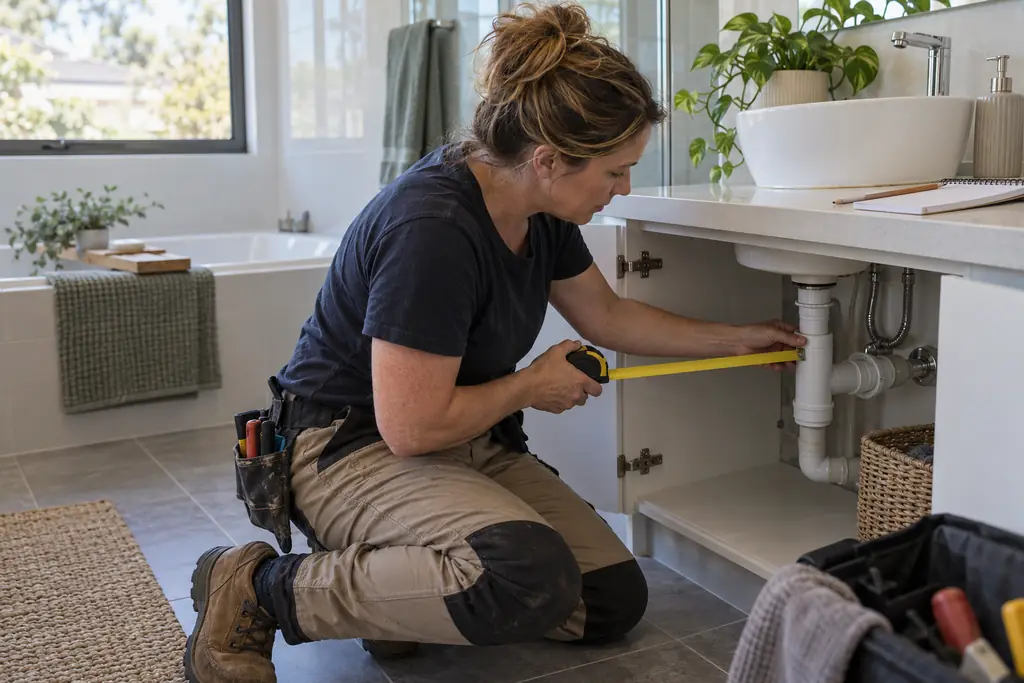
Most customers who ask for a quote are comparing two or three businesses. The cheapest quote does not always win. The one that is easiest to understand, arrives quickly and makes the customer feel confident about the outcome often does. A good quote also protects you: it records what is included, what is not, and what happens if the job changes.
Start with a proper look at the job
Quotes go wrong when they are written from a two-line phone description. Where you can, visit the site or ask for photos, measurements and access details before you price. Note anything that could change the job: old pipework, unusual materials, parking, stairs, pets or tight time windows.
A quote structure customers can follow
- Describe the outcomeOne or two sentences in plain English: what the customer will have when you finish. For example, "Replace the leaking vanity tapware and re-seal the basin".
- List the work as line itemsBreak the job into items the customer recognises, with quantities and prices. Group materials and labour in a way that makes sense for your trade.
- Show tax and the total clearlyShow how tax is applied and make the total impossible to miss. If you are unsure how GST should appear for your business, check with your accountant.
- Spell out exclusions and assumptionsSay what is not included and what you have assumed, such as access, existing wiring in good condition or the customer supplying fixtures.
- Set the termsHow long the price is valid, when you can start, deposit or payment terms, and how variations will be handled.
Price for the job you will actually do
Underquoting to win work is the fastest way to stay busy and broke. Include travel, parking, disposal, consumables and the time it takes to buy materials. If a job carries more risk or uncertainty, price that risk or quote it as a range with the conditions that move it up or down.
Offering options can also help. A good, better and best structure lets the customer choose the scope rather than haggle on price, and it often lifts the value of the job without any hard selling.
Send it fast and follow up
A quote that arrives the same day while the customer is still thinking about the problem has a head start. Then follow up: a short message two or three days later asking whether they have any questions is often all it takes. Many quotes are lost simply because nobody asked.
- Make it easy to say yes: a clear way to accept, and a clear next step after acceptance.
- Answer questions in writing so the scope stays on record.
- If the customer declines, ask why. The answer helps you price the next one.
How Nenvik helps
In Nenvik you build quotes with item quantities, prices, tax, terms and calculated totals, send them securely and download a quote PDF. Customers can accept or decline the sent quote online, their decision is saved, and an accepted quote can become a job without retyping. See the quoting and job features or compare plans.
More from the blog
 What your trade business website needs to bring in local enquiriesYour website does not need to be fancy. It needs to show the work you do, where you do it, and make it easy for the right customer to get in touch.Read article
  Online booking for tradies: let customers request a time without losing control of your diaryCustomers like picking a time. Trades need to stay in control of travel, quoting and crew. A request-and-approve approach gives you both.Read article
  Get paid faster: card payments on invoices for small trade businessesThe easier you make it to pay, the sooner you get paid. Online card payment, a clear invoice and a polite reminder routine go a long way.Read article